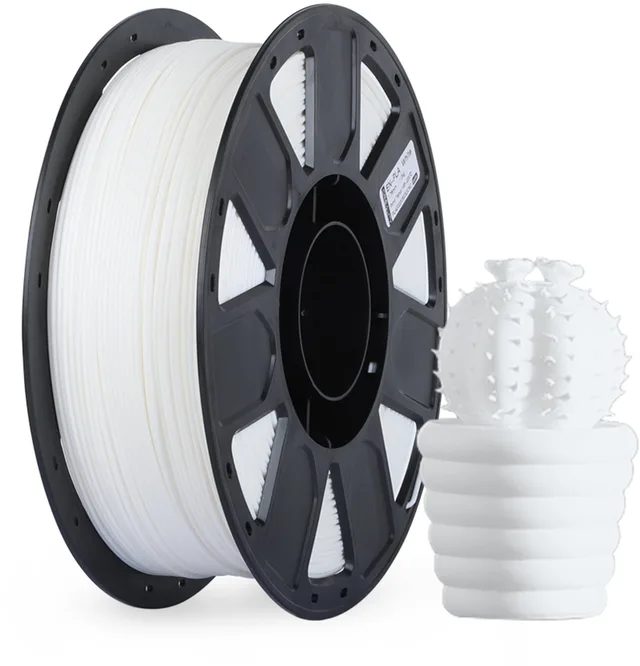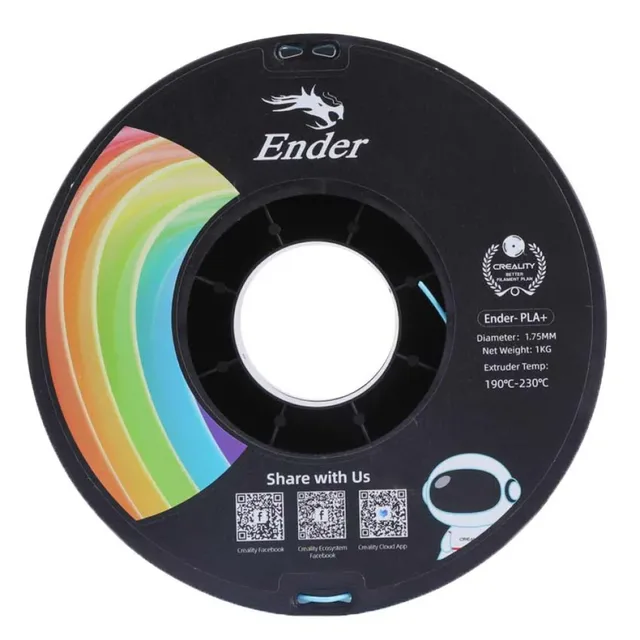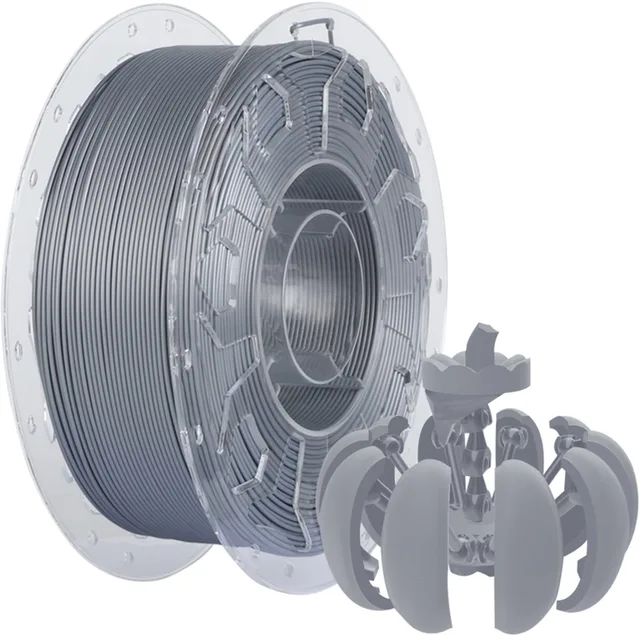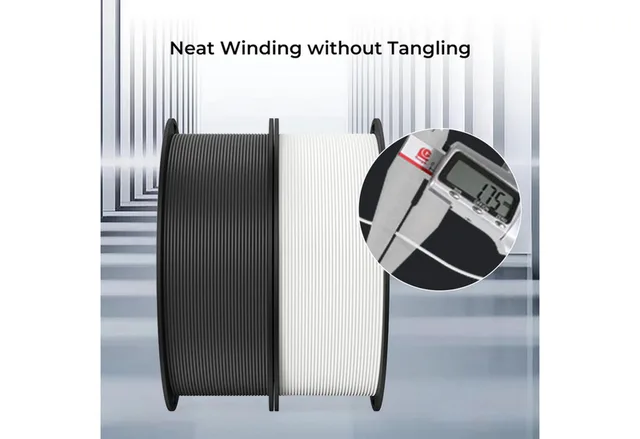
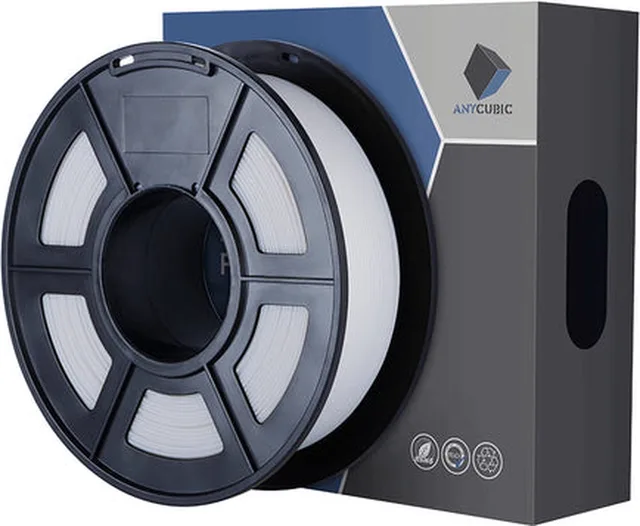
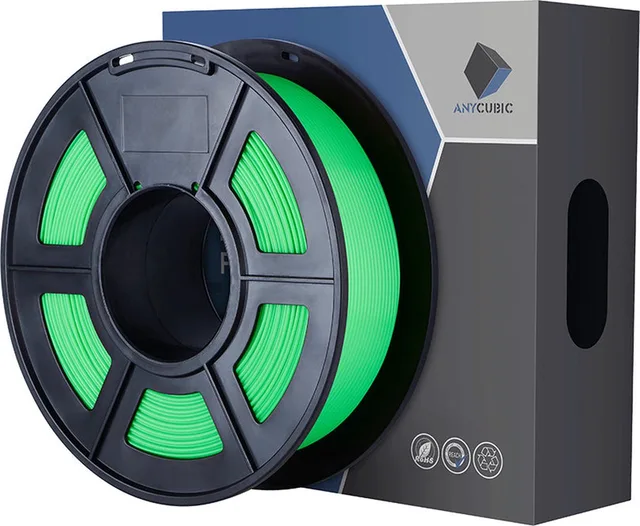
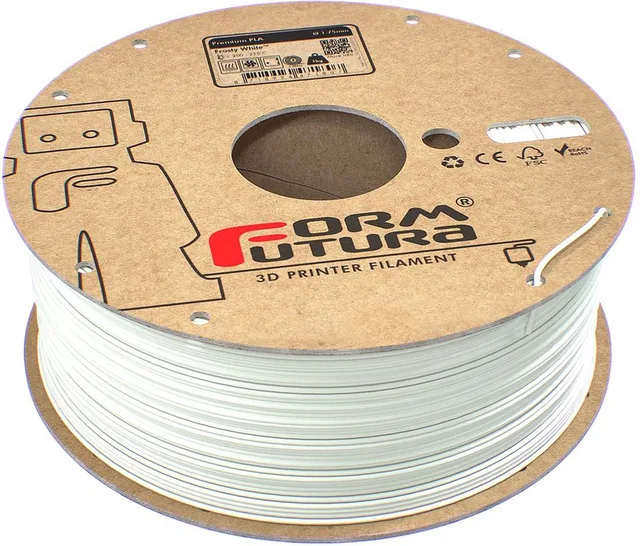
1.75mm PLA 3D Printer Filament
PLA1.75 mm1 kgFrom €19.95 · at 1 shop
Free tool
Choose the filament, the kind of nozzle and whether your printer is open or enclosed. You see whether it works, is tight or is not a good idea, with the temperatures to start from and the matching spools.
A brass nozzle and an open printer are fine for PLA and PETG. Starting values from Polymaker: PLA bed 50 to 60 °C (bed heating is optional for adhesion). PETG nozzle 220 to 260 °C (230 to 240 °C is optimal), bed 65 to 90 °C, moderate cooling (30 to 50%), 60 mm/s at most. PETG absorbs moisture, so keep it dry. Always start from the label on your brand's spool.
From €19.95 · at 1 shop
€29.95 · at 1 shop
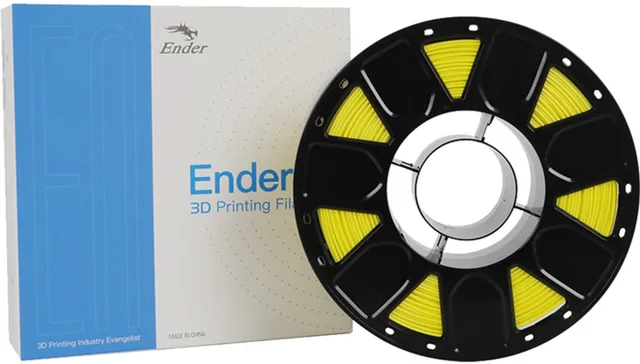
From €19.73 · at 4 shops
Lowest in 29 days
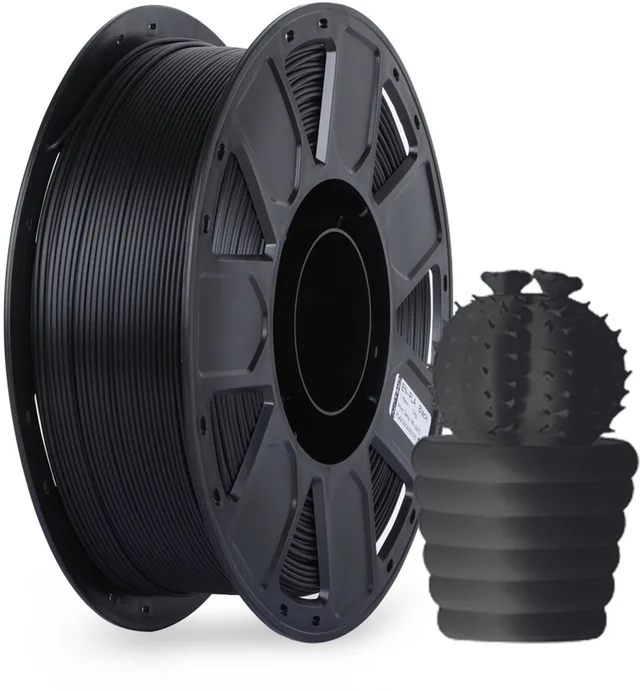
From €19.73 · at 3 shops
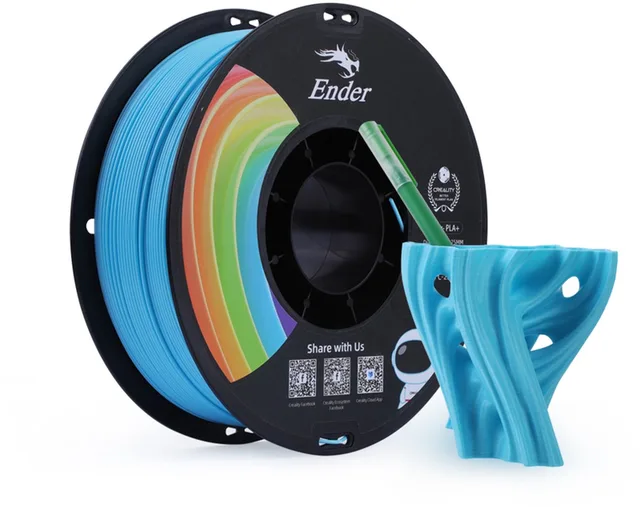
From €15.98 · at 2 shops
Lowest in 24 days
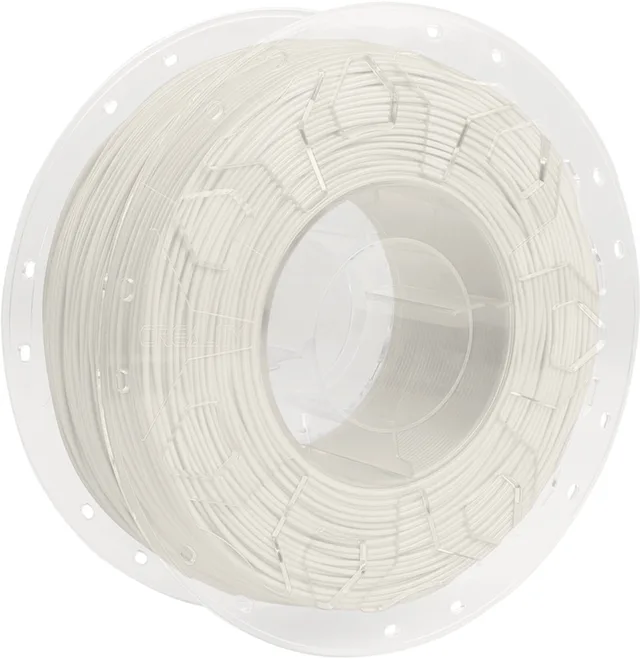
From €21.99 · at 3 shops
Lowest in 29 days
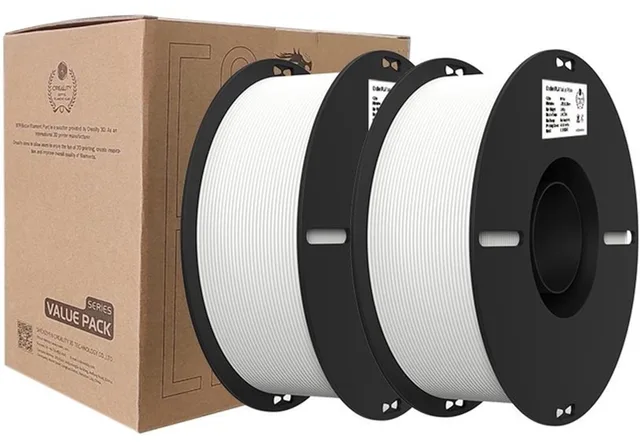
From €29.85 · at 4 shops
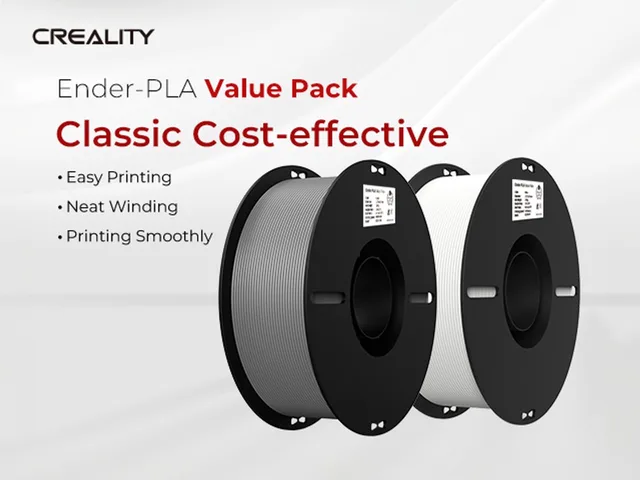
From €29.85 · at 4 shops
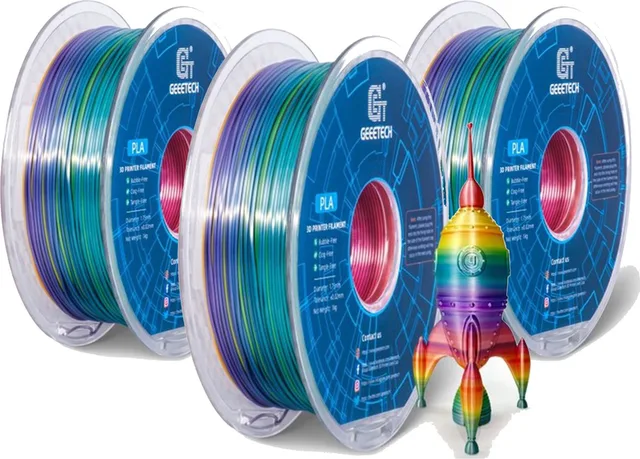
€64.75 · at 1 shop
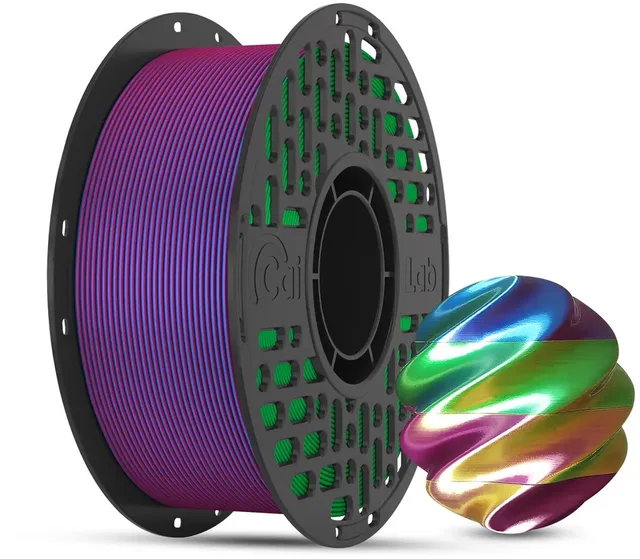
€23.95 · at 1 shop
Lowest in 19 days
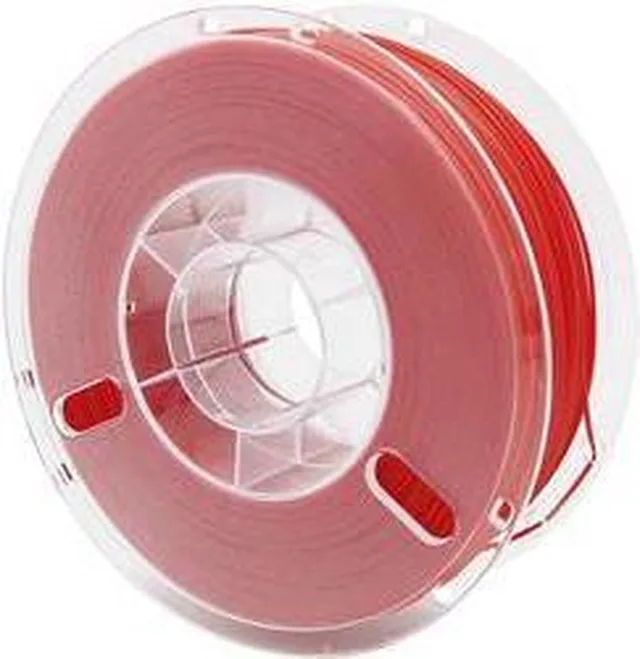
From €45.94 · at 2 shops
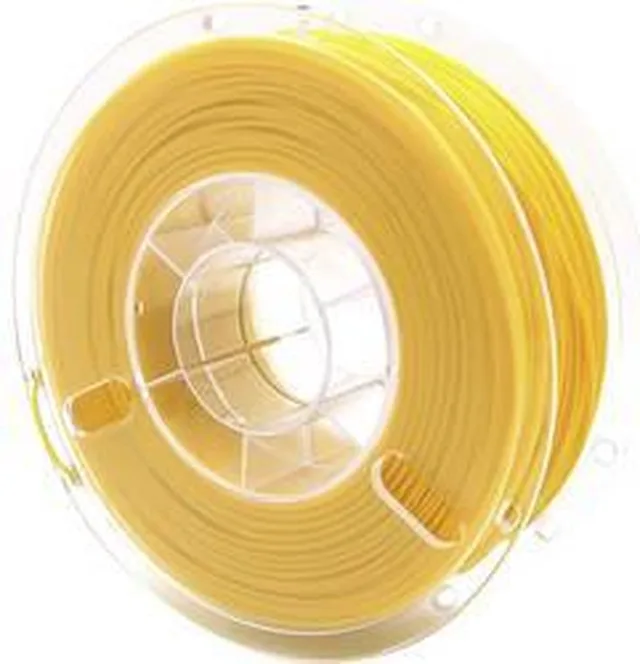
From €57.94 · at 2 shops
Prices from the shops we compare. Nobody pays for a place. How we rank
Every material makes demands on two things: the nozzle and the space around the printer. A brass nozzle wears quickly on filament with carbon fibre or glass fibre; for that you need a hardened steel nozzle. ABS and ASA shrink as they cool and warp in a draught, so they want an enclosure. Nylon absorbs moisture and then prints badly. TPU is soft and wants to print slowly, preferably with a direct-drive extruder.
The starting values come from Polymaker's generic printing tips per material type, which they describe as general and not specific to their own filament. They are not fixed values either: always start from the label on your brand's spool and fine-tune with a temperature tower. We list Prusament as a source for which materials exist; we do not take the temperatures from there.
What we do not know is your printer. An open printer with a small hood can behave as an enclosed one, and some nylon makers say their type needs no enclosure. So we only judge open or enclosed, not your brand. For carbon and glass fibre filament the base matters: PLA-CF is easier than PA-CF or PC-CF.
The spools under the answer are the chosen material from our comparison. For carbon and glass fibre on a brass nozzle we show no spools: buy a hardened steel nozzle first. You find those in the parts and upgrades category.